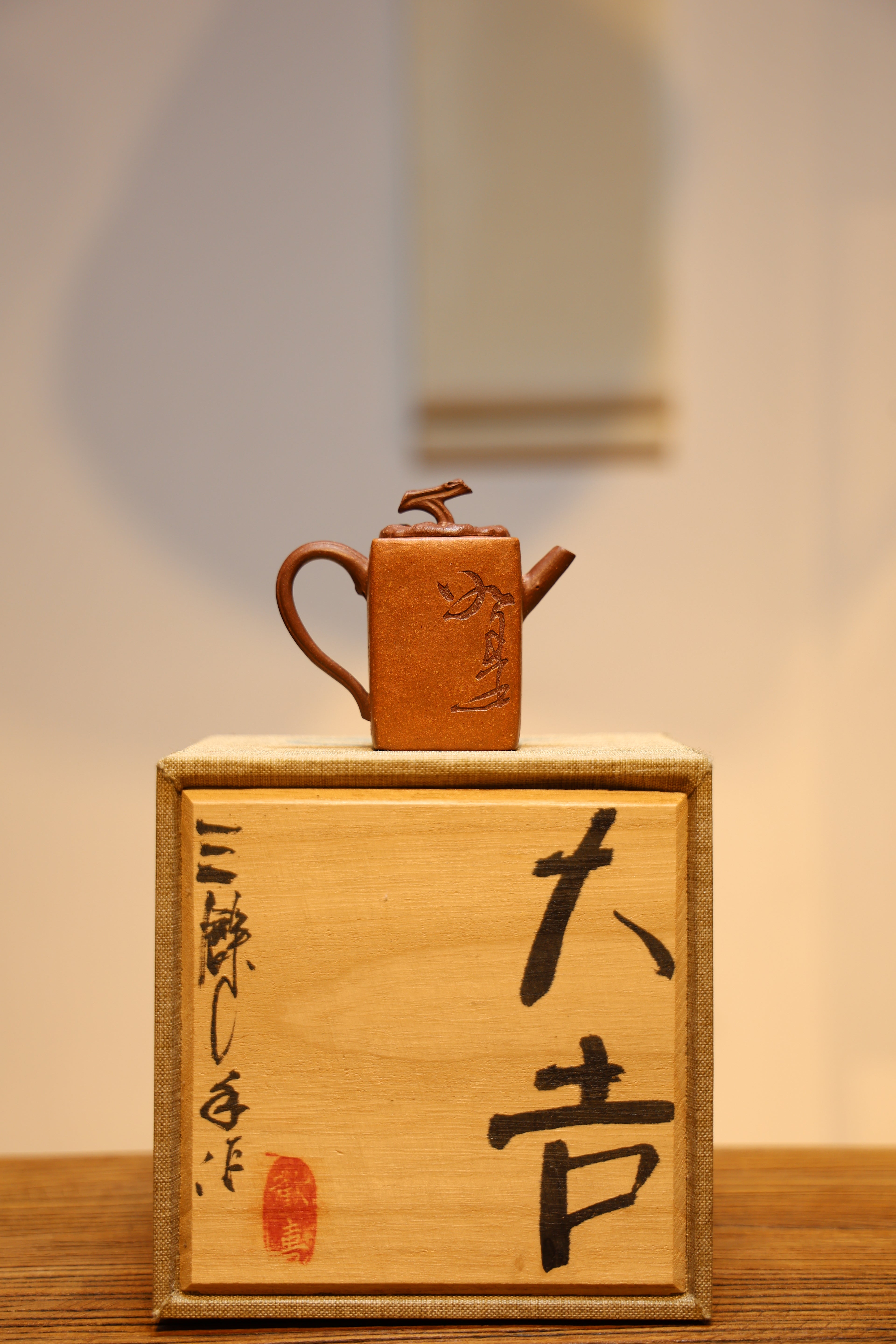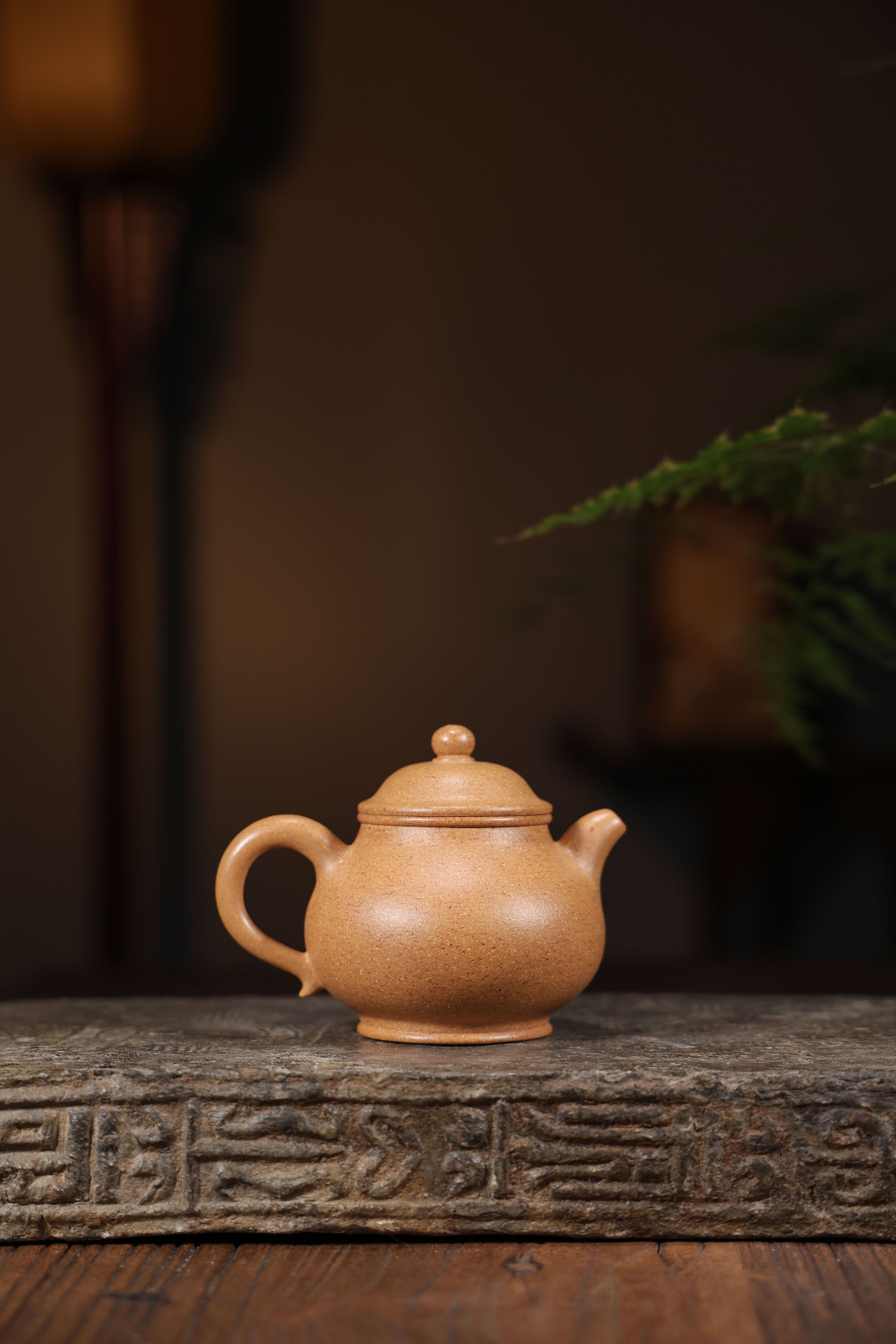
Sustained heritage marks Minjiang jugs through ages,
Showcasing uncommon aspects obtained from native violet earthen materials, those containers acquire a finish through utilization, augmenting aroma drawn from infused infusions.
Understanding Yixing Earth: Thorough Insights into Zisha
Many enthusiasts admire the singular quality of Yixing amethyst clay, an essential element of ancient Chinese earthenware. Coming from the Yixing region of Jiangsu province, this exceptional clay boasts an sophisticated mineral arrangement, so that offers remarkable qualities to the completed pieces. Models within Zisha, including Jiang Mud, Duan Ni Mud, and Jiang Xi Mud, each presents unique colors, structures, and temperatures traits, altering the permeability and the ultimate profile progression of the brew.
Chinese Urn Legacies: Exploring Artistry
Eurasian teapots embody greater than mere vessels for extract; they exemplify centuries of historical mastery. From the distinguished Yixing clay variations, respected for their absorbent nature which gives particular tastes to the drink, to the refined porcelain from Jingdezhen, each piece tells a legend of commitment. The making process is an elaborate undertaking, often gifted through dynasties of artists. These artisans use traditional procedures such as hand-building, molding on wheels, and refining, demonstrating profound reverence for the clay and the discipline itself. Consider the care invested in each piece as a symbol of Chinese craftsmanship legacy.
- Purple sand flasks: a famous assortment.
- Elite ceramic teapots: known for their beautiful design.
- Forming techniques: a exacting yet gratifying procedure.
Chinese Zisha Jar Treatment: Protecting Your Esteemed Good
Sufficient handling of your valued Yixing Zisha urn is necessary to safeguarding its quality. Crafted from singular purple sand mineral, these superior teapots mature a complex patina after operation, significantly boosting their allure. Eschew agents; a gentle rinse with mildly heated aqueous is adequate. Avoid searing water for purifying the teapot, as it may harm its material. Allow it to desiccate away from excessive solar rays. Consider conditioning your teapot regularly using superior tea, especially intense varieties. Here is a brief guide:
- Cleanse with temperate aqueous.
- Shun detergents.
- Permit it to desiccate.
- Treat with top-grade tea.
Beginnings of Yixing Teapots: Commencement
The story of Yixing teapots starts simply during the Song dynasty, close to the 16th epoch. Initially, these earthenwares were not the coveted objects they are perceived today. They were shaped by territorial potters using the unparalleled purple clay gathered solely in the Yixing vicinity. These early artworks were principally utilitarian, targeted for usual utilization and often unpretentious in configuration. It was not until the next dynasty that they triggered to earn status beyond mere utility pottery.
Picking the Right Yixing Teapot: A Fundamental Overview
Navigating the universe of Yixing teapots can be challenging, but avoid concern! For novices, the central factor is understanding the sediment. Original Yixing clay is prized for its breathability, allowing the teapot to retain the tea's taste over time, heightening every creating session. Ponder the design; traditional round shapes prevail, yet tailored preferences are important. Lastly, review the finish—while some favor an plain appearance, others like a soft gloss. Take your time in the choice process—this is an deal in a esteemed piece of pottery.
Purple Clay Kettles and Their Role on Chinese Drink Culture
Zisha urns, coming from Yixing, China, have profoundly shaped customary Chinese drink culture. The Yixing clay teapots, prized for their singular hue, makeup, and exceptional ability to impart a subtle bouquet to the tea, exist as more than mere pots; they are treasured crafts and symbols of status. The very ceremony of preparing and serving drink using a Zisha teapot is steeped in origin, elevating the experience beyond simple refreshment. Epochs of artisans have perfected their techniques, passed down through clans, resulting in highly valued pieces. Accordingly, Zisha teapots are frequently admired, playing a crucial part in cultivating Oriental appreciation for aesthetics and the science of concoction ceremonies.
- Special Clay Composition
- Contributing Subtle Flavor
- Decorative Craftsmanship
Confirming Real Sought-After Chinese Artifacts
Acquiring a certified Yixing teapot can be a gratifying experience, but the field is often saturated with counterfeits. Detecting between a legitimate antique and Zisha Teapot a current reproduction requires thorough inspection. Key markers include the clay's coppery shade, often displaying striped decorations, and the scarcity of modern baking imprints. The profile should appear natural refinement, reflecting the traditional Yixing look. Finally, analyzing the creator's emblem is essential to verify legitimacy against recorded testimonies.
- Assess the clay's grain.
- Look for irregularities, indicative of crafted quality.
- Consult an professional for evaluation.
Committing to 宜兴 Earthenware: A Elaborate Explanation to 紫砂 Analysis
The sector of Native Zisha teapots presents a distinct possibility for educated admirers. Increasingly, the worth of these traditional artifacts is guided by diverse components, such as the rank of component, the expertise of the potter, the cultural meaning, and, naturally, the ongoing interest. Starters should dedicate effort on exploring the multiple variants of Zisha clay—such as Frosted Water, Silent Urn, and Vermilion Dirt—and examining the details linked to each. Rigorous scrutiny of the craft's profile, cast, and imprint is likewise important to make responsible solutions when investing.