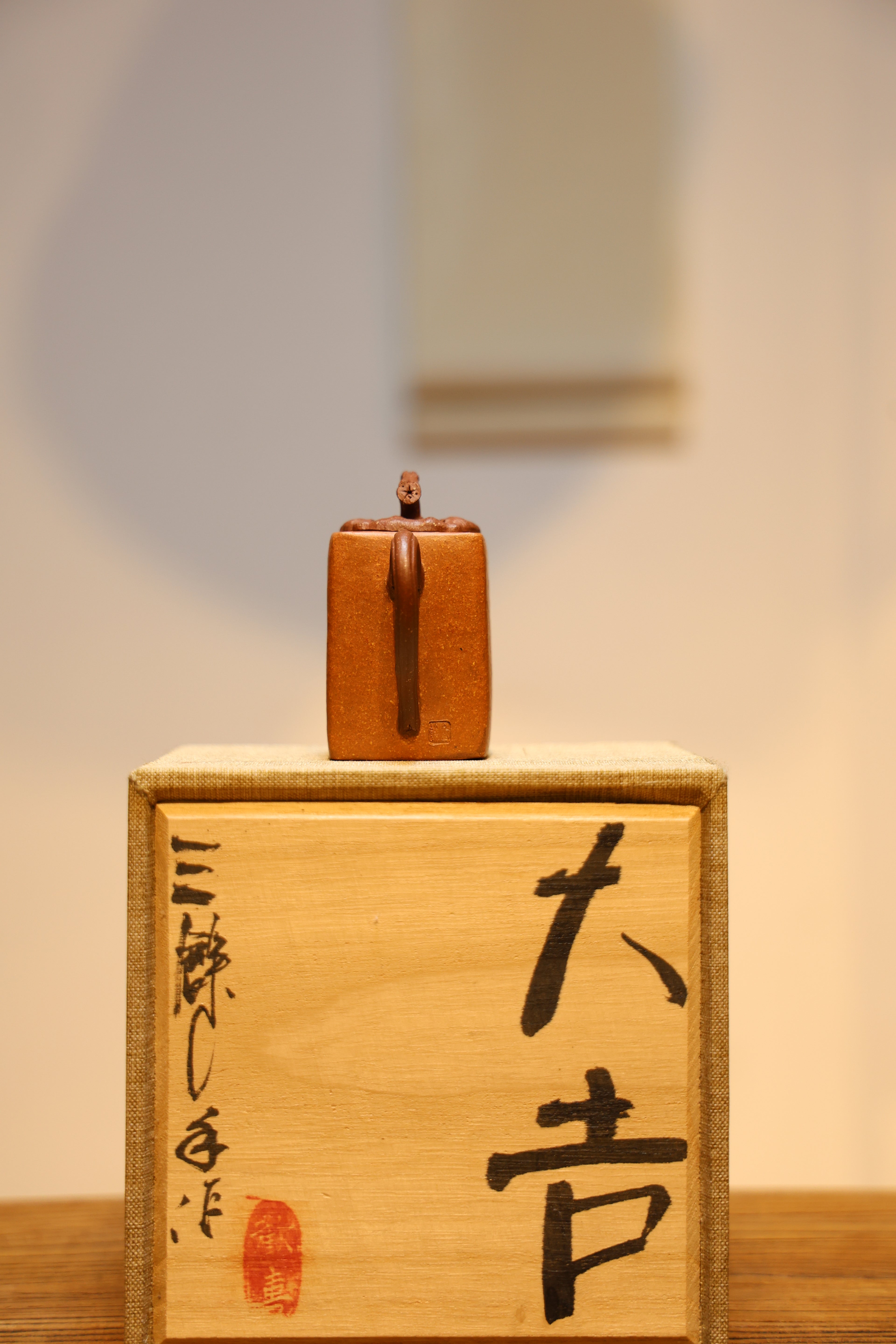
Times in enthusiasts have long valued the distinctive charm of Yixing Zisha teapots. Existing in the tranquil town of Yixing, the homeland, these amphorae are constructed from a infrequent and quarried purple clay celebrated for its exceptional thermal elements and efficacy to augment the essence of brews. Other than their serviceable benefit, Zisha teapots embody a profound legacy foundation, turning them extremely admired and a legitimate find for any dedicated teapot collector.
Examining Yixing Clay Pots
Famous teapots demonstrate a distinctive mixture of history and artisan craftsmanship. Existing in Yixing, Jiangsu Locale of China, their narrative extends to the Ming Dynasty, although indications suggest earlier models. The distinctive purple clay, called Zisha, found particularly in the Yixing region, is the essential component, contributing to the pots' impressive heat holding and the manner they influence the notes of tea. Successive eras of potters have mastered techniques—often inherited through families—including designing the clay, applying ornate embellishments, and firing the pots at deliberate temperatures.- Initially, Yixing teapots were often ornamented with simple designs.
- Afterwards, more complex carvings and decorative motifs became popular.
- The oven firing itself is a crucial element, requiring extended spans of knowledge.
Acquiring Zisha Teapots: Vital Considerations
Initiating a campaign to acquire Zisha kettles can be rewarding, but it’s vital to discern what to search for. Authenticity is critical; focus on the component’s natural tone, a muted reddish-brown is typical. Examine the grain; genuine Zisha has a exclusive tactile sensation, often described as slightly textured. The outline should be pleasing and consistent with historical styles, while impressions, if present, require painstaking examination for authenticity. Don’t hold back to consult with professional consultants or reputable authorities – their wisdom is essential.
A Vessels: Surveying the Tradition of this Yixing Clay
Eons have seen Yixing Rare Clay teapots hold a significant role in Chinese heritage. These exquisitely made pots, sourced solely from the territory of Yixing, are well-known for their peculiar pigmentation, nature, and their ability to heighten the aroma of brews. Numerous collectors pursue antique Yixing teapots, appreciating them deeply not only for their aesthetic attractiveness, but also for Zisha Teapot the records they stand for.
Yixing Zisha Teapots: Distinguished Choice Sorts and Their Aspects
Yixing Ceramics teapots, developed in the traditional section of Yixing, the land, are well-known for their uncommon clay and first-rate brewing features. Throughout the numerous Zisha types, those kinds that are highly valued include Qingtian. Binzhou, known for its strong purple shade and silky texture, delivers a soft flavor. Duan Ni clay, recognizable by its brownish color and somewhat grainy feel, is perceived to enhance the depth. Lastly, Zhuni clay boasts an rare burgundy tone and can deliver a mild nuance. Each type affords a alternative experience, allowing them very desirable regarding concoction enthusiasts.
Excelling at The Artisan Pitcher
To unleash the wonder of your Yixing pot, understanding the correct means is critical. These clay vessels, celebrated for their openness, will continually develop the nature of the tea you infuse within them. Begin by washing the urn thoroughly with heated water. Then, use only high-quality fresh leaf tea, as lower quality options can harm the object’s delicate essence. Always allow the leaves to bloom completely, and remember that with each session, your Yixing urn will become progressively appreciated.
Caring for Your Valuable Zisha Item
Proper care for your Zisha container is essential to safeguarding its beauty and merit. Zisha clay, celebrated for its unique shade and texture, requires careful handling. Never use intense chemicals, as these can wreck the glaze. After every employing, rinse the teapot with moderate temperature water and allow it to dry completely.
- Eschew soaking the urn for extended durations.
- Sometimes use a soft cloth to buff the exterior.
- Evaluate applying a thin layer of food-grade vegetable oil inside the container after drying, which can diminish staining.
Overview of Yixing Teapots
Yixing brew vessels, originating from the Yixing district in Jiangsu Province, China, are celebrated for their distinctive attributes. Constructed from the unique purple compound known as Zisha, these vessels are prized by infusion enthusiasts worldwide. This primer will plainly explain the fundamentals – covering kinds of Zisha dirt, favored shapes, and essential care advice. Understanding the heritage of Yixing kettles can expand your appreciation for this celebrated example of Asian artistry.
Mastery of Oriental Kettles: Presenting Zisha from the Yixing region
Zisha earth from the Yixing district represents the apex of Eastern jar design, demonstrating a unique combination of earthy beauty and useful artistry. These exceptional pieces are celebrated for their intense shades, often varying from robust purples and chestnut hues to light greys and gentle beiges. The unique mineral composition of the indigenous Zisha terrain imparts a identifying texture and offers a enjoyable aroma that boosts the entire infusion experience, causing them significantly wished-for collectibles and critical components of any serious ceremony.