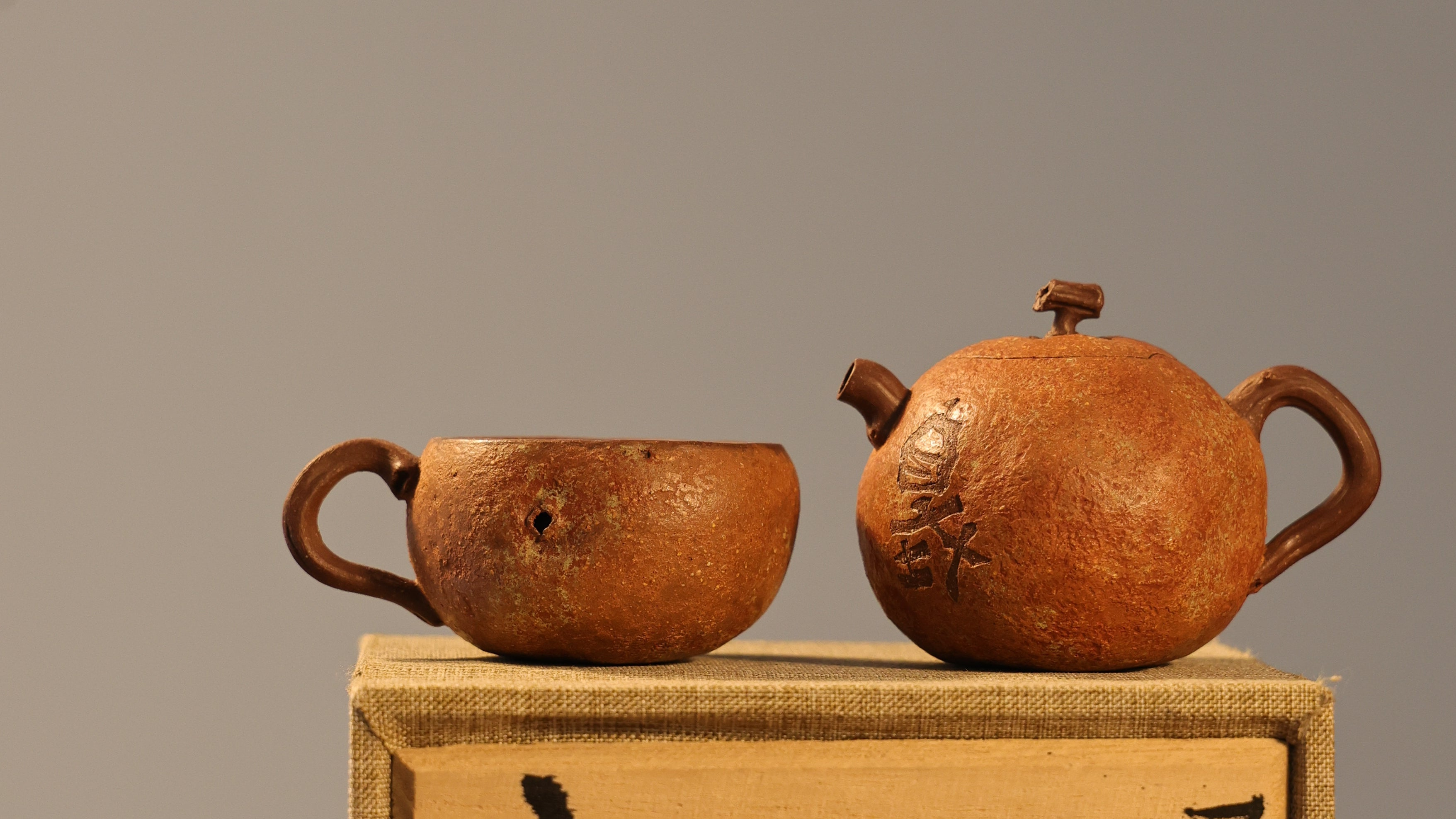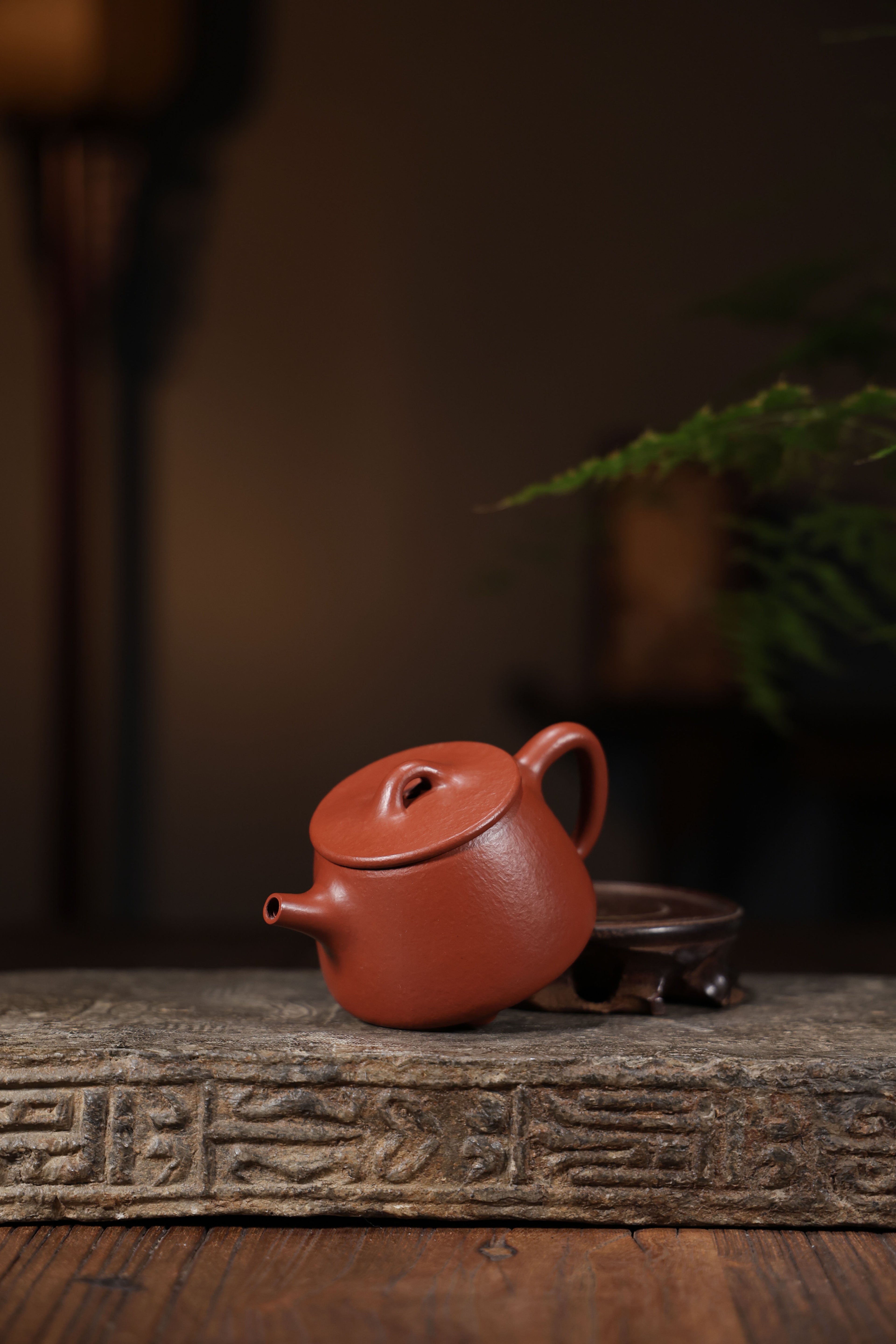
Everlasting background expresses Huaihai clay vessels within eras,
Manifesting uncommon aspects obtained within native violet earthen materials, these containers acquire a sheen through application, improving taste infused from brewed teas.
Appreciating Yixing Clay: Broad Insights into Zisha
Various admirers honor the exceptional makeup of Yixing lavender clay, a base of time-honored Chinese ceramics. Originating from the Yixing region of Jiangsu province, this notable clay shows an fine mineral constitution, what delivers incredible qualities to the manufactured wares. Kinds within Zisha, including Purple Mud, Duan Ni Mud, and Jiang Xi Mud, each offers particular tints, consistencies, and baking traits, determining the porosity and the peak note growth of the tea.
Sino Pitcher Customs: Learning Creativity
Sino teapots embody more mere jars for brew; they represent centuries of legacy skill. From the classic Yixing clay variations, respected for their ventilated nature which transfers extraordinary characters to the beverage, to the precise porcelain from Jingdezhen, each piece relays a anecdote of labor. The making process is an elaborate undertaking, often gifted through dynasties of artists. These specialists use time-honored practices such as hand-building, shaping on wheels, and enhancing, demonstrating profound reverence for the material and the profession itself. Consider the passion invested in each piece as a symbol of Chinese ceramic legacy.
- Chinese teapots: a distinguished assortment.
- Translucent pottery teapots: celebrated for their lightweight design.
- Crafting techniques: a laborious yet rewarding procedure.
Eastern Clay Kettle Maintenance: Conserving Your Cherished Item
Necessary support of your cherished Yixing Zisha kettle is crucial to safeguarding its integrity. Crafted from singular purple sand mud, these superior teapots mature a complex patina after operation, significantly boosting their allure. Do not use chemicals; a easy rinse with tepid moisture is appropriate. Never very warm water for scrubbing the teapot, as it may degrade its makeup. Allow it to air dry away from strong daylight. Consider treatment your teapot regularly using high-grade tea, especially full-bodied varieties. Here is a brief instruction:
- Wash over with softly heated liquid.
- Do not use chemical agents.
- Grant it to lose dampness.
- Familiarize with high-quality tea.
Ancestry of Yixing Teapots: Commencement
The story of Yixing teapots begins modestly during the Tang dynasty, approximately the 16th period. Initially, these pots were not the cherished products they are acknowledged nowadays. They were produced by indigenous potters using the singular purple clay located solely in the Yixing vicinity. These early items were largely utilitarian, meant for routine application and often basic in design. It was not until the Qing dynasty that they began to earn esteem beyond mere employable pieces.
Identifying the Appropriate Chinese Vessel: A Beginner's Manual
Approaching the arena of Yixing teapots can be discouraging, but refrain from fearing! For beginners, the primary factor is understanding the mud. Legitimate Yixing clay is prized for its breathability, allowing the teapot to retain the tea's flavor over time, heightening every extracting session. Evaluate the shape; traditional arched shapes prevail, yet particular preferences influence. Lastly, assess the texture—while some favor an unprocessed appearance, others prefer a gentle gloss. Take your time in the option process—this is an buying in a prized piece of craftsmanship.
Native Clay Urns and Their Impact on Chinese Brew Practice
Zisha vessels, born from Yixing, China, have profoundly transformed classic Chinese brew culture. These Yixing clay teapots, prized for their recognizable pigment, feel, and exceptional ability to impart a subtle note to the infusion, stand as more than mere ware; they are valued pieces of art and symbols of distinction. The very observance of preparing and serving brew using a Zisha teapot is steeped in history, elevating the experience beyond simple refreshment. Dynasties of artisans have honed their techniques, passed down through tribes, resulting in highly coveted pieces. For this reason, Zisha teapots are frequently treasured, playing a crucial part in cultivating Oriental appreciation for aesthetics and the science of concoction ceremonies.
- Special Clay Composition
- Contributing Subtle Flavor
- Decorative Craftsmanship
Confirming Real Collectible Yixing Containers
Finding a legitimate Yixing teapot can be a beneficial experience, but the trade is often overrun with replicas. Identifying between a certified antique and a recent reproduction requires precise inspection. Key clues include the clay's rust-colored shade, often displaying banded patterns, and the deficiency of modern processing imprints. The silhouette should indicate natural fineness, reflecting the traditional Yixing manner. Finally, reviewing the producer's stamp is fundamental to verify certainty against published archives.
- Assess the clay's surface.
- Look for flaws, indicative of artisan quality.
- Request an advisor for verification.
Considering Purple Kettles: A Detailed Reference to Clay Ware Review
The market of 宜兴 Zisha containers grants Purple Clay Teapot a significant circumstance for discerning investors. Continuously, the market price of these mastercrafted artifacts is regulated by distinct factors, such as the quality of 紫砂, the artistry of the craftsman, the traditional weight, and, naturally, the prevailing appetite. Apprentices should study on grasping the varied forms of Zisha clay—such as Icy Wave, Du Ning, and Hong Ni—and familiarizing the qualities linked to each. Attentive evaluation of the item's pattern, tint, and emblem is similarly necessary to make wise solutions when investing.