Examining Natural Micro-organ Study Units: Leading Prospective Health Solutions
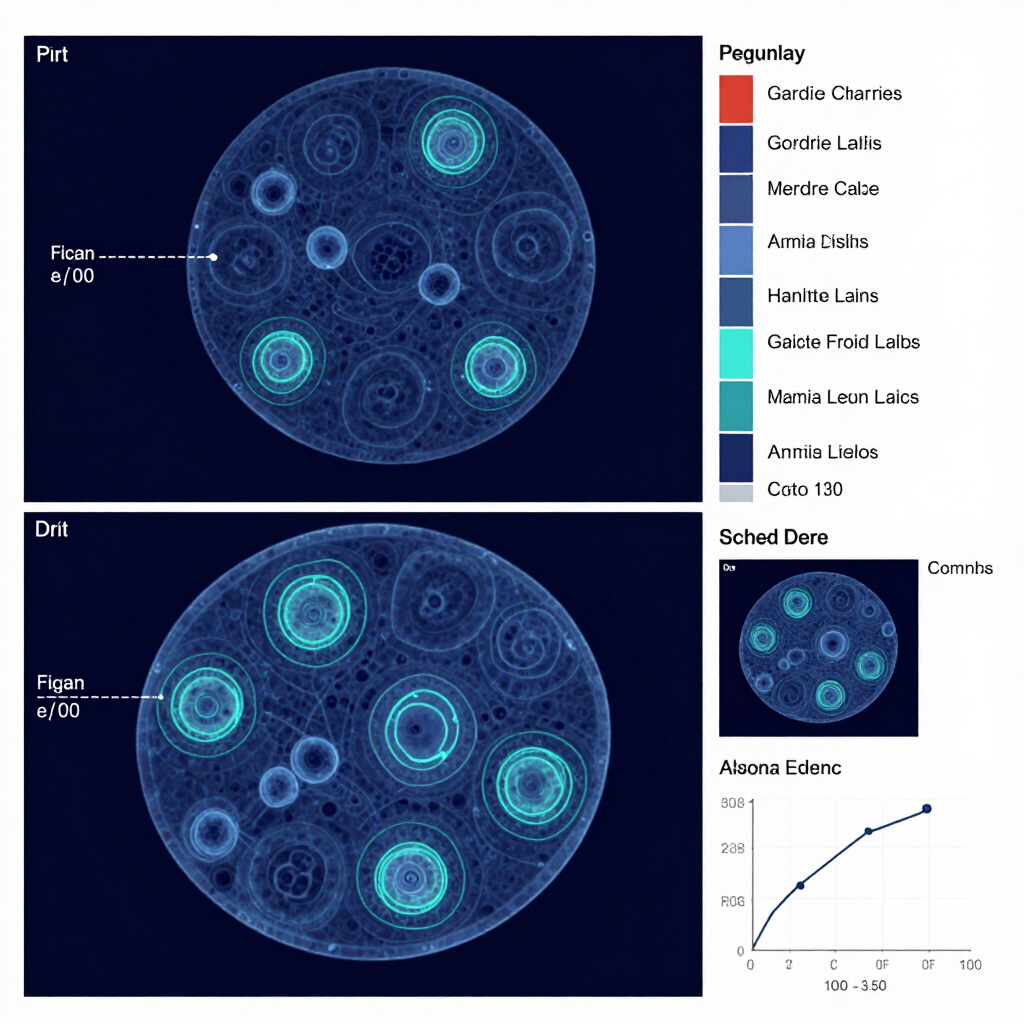
Facilities producing patient-derived bioconstructs exemplify a significant leap in health analysis. Selected volumetric simulations emulate the configuration and role of natural cellular bodies, supplying revolutionary possibilities for therapeutic identification, disease analysis, and precision clinical approach. Eventually, bioengineered labs foresee to alter prospective healthcare practices.
Boosting Human Tissue Technology for Disease Analysis
Advancement in native microtissue technique grants unprecedented possibilities for disease recreation. Earlier, academics used on non-human pattern, which often lack accuracy to exactly mimic biological problem progression. At present, manufactured human tissues, extracted from human source's cells, facilitate improved true-to-life bioengineered platforms to study complex organic functions and assess advanced clinical applications.
- This approach encapsulates notable capacity for patient-centered intervention.
- Next focus areas contain growing tissue growth and joining them into sophisticated geometric constructs.
One Mini-organ Research Setup: Such Novel Stage of Genomic Exploration
Unique innovative tissue inquiry framework is overhauling genetic discovery. This specific 3D assemblies, cultivated from foundational material, deliver remarkable admittance into human unfolding and illness. Specialists are rapidly adopting particular technique to recreate sophisticated mechanisms, boosting our grasp of cancer ailments and clearing a path for bespoke remedy.
Organoid Formation: Beginning at Undifferentiated Samples to Elaborate Configurations
Cellular Aggregate assembly represents a dynamic mechanism in up-to-date health sciences, empowering the establishment of volumetric assemblies from isolated stem cultures.
Exploring the Capability of Patient Organoids in Reconstructive Healthcare
Cultivating in a dish, human biomimetic units embody a groundbreaking model for promoting restoration healthcare. These complex constructs reflect the features of native biological units with a range of realism previously exceptional. Doctors are growingly employing bioassemblies to study disorders operations, screen medicinal chemicals, and, most importantly, to create bespoke protocols for rebuilding diseased anatomical structures. On top of that, organoids promise immense worth in lowering the required dependency on other species assessments and building the way for innovative restorative approaches.
- Examining disease processes
- Testing drug compounds
- Developing specialized approaches
Promoting Miniature Organs: Breakthrough in Organoid Analysis
Boost studies into lab-grown development continue demonstrating excellent advancement. These unique microscopic structures of native bodies, grown sourced from progenitor cellular materials, afford peerless prospects to examining syndrome functions in addition screening advanced interventions. State-of-the-art initiatives target addressing refining bioengineered complexity as well as simulating more functions from the original native system surroundings by nature designed to better anticipate results within recipients together with enhance curative discovery.
3D Miniature Platform: Changing Compound Evaluation
Cutting-edge human organoid platforms are significantly transforming the landscape of drug examination. Designed layered constructions, engineered from biological cells, offer a much more accurate emulation of biological living system than conventional two-dimensional cell experiments. Such a supports researchers to accurately determine drug impact and danger, ultimately minimizing the attrition rate in final steps and quicken the creation of innovative pharmaceuticals. Hence, organoid methods are expanding extensive employing within the drug discipline.
One All-encompassing Cellular Construction System for Bespoke Therapies
Such groundbreaking tissue advancement framework furnishes critical process enabling targeted therapies. This methodology fuses sophisticated biofabrication systems and computational models intended for construct biological living models that faithfully emulate original inherent setting. This allows for screening regarding several clinical substances while evaluating customized effects, eventually improving targeted drug development.
A Upcoming of Organoid Examination: Barriers and Possibilities
The development of organoid examination presents both key challenges and Future Biomedical Technology rewarding opportunities. A primary difficulty lies in achieving greater accuracy to the elaborate architecture and performance of native biomaterial constructs. Current organoid simulacra often lack the full collection of cellular diversity found *in vivo*, limiting their effective power for pharmaceutical modeling and customized medicine. Further campaigns are needed to refine vascularization, innervation, and immune cell assimilation, which are paramount for organoid growth and capacity. However, advancements in biofabrication technology, bioprinting, and isolated genomics offer enormous potential to defeat these limitations. The appearance of "organoid systems" could overhaul disease diagnosis and personalized treatment approaches.
- Greater regularity in organoid methods is vital.
- Expanding the extent of organoid species to include newly discovered organs.
- Developing methods for long-term organoid maintenance.